The practical answer.
Compare cycle-life specifications using depth of discharge, temperature, current, capacity retention and the intended operating schedule.
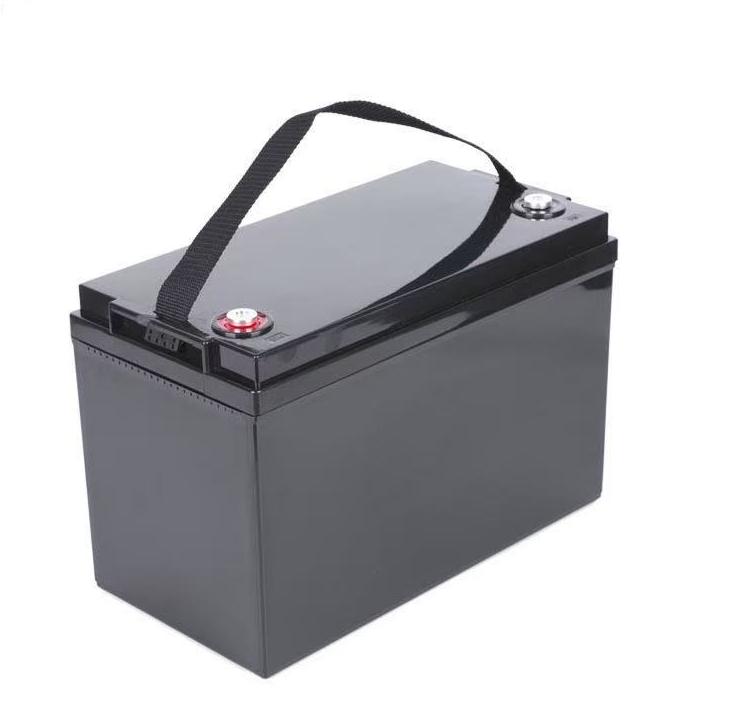
A cycle count needs a definition
A statement such as thousands of cycles is incomplete without its test conditions and end-of-life definition. Ask what capacity remains when the quoted count is reached, how a cycle is defined and whether the result describes a cell or a complete pack. Identify the charging and discharging procedure used in the test. The same headline number can represent different practical results when the test limits differ. Treat an undocumented count as a conversation starter rather than a project acceptance criterion.
Compare the operating conditions
Request the depth of discharge, charge rate, discharge rate and temperature used for the claim. Also ask about rest periods and the charge endpoint. A gentle laboratory test does not directly predict the behavior of equipment that runs hot or experiences repeated high loads. Build a comparison table in which each candidate is described under the same conditions where possible. If equivalent evidence is unavailable, identify that gap openly instead of converting dissimilar vendor statements into a precise ranking.
Separate cycle aging from calendar aging
Batteries change with time as well as use. A backup system may accumulate relatively few discharge cycles yet spend years at a particular temperature and state of charge. A shift-based machine may cycle frequently and have little idle time. Describe the application's operating schedule, storage periods and expected service duration to the supplier. A cycle-life number alone cannot establish calendar service life or warranty coverage. Ask for storage guidance and maintenance assumptions relevant to the exact pack and installation.
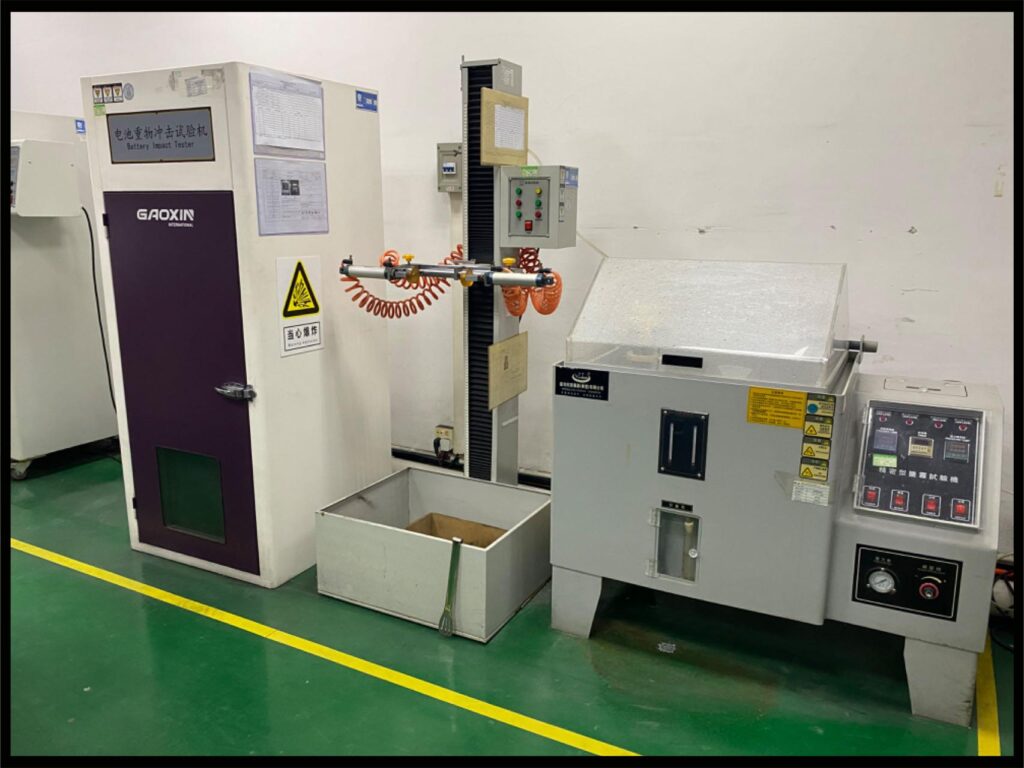
Define the equipment's end-of-service threshold
The equipment may need replacement before a battery reaches a laboratory end-of-life threshold. If a machine must complete a full shift, remaining capacity must cover that duty cycle with the agreed reserve. Power delivery, internal resistance, protection behavior and mechanical condition may also influence serviceability. Establish what operators will measure and how they will decide that replacement is due. This turns a broad lifetime objective into a practical maintenance requirement that engineering, purchasing and service teams can review together.
Build a realistic validation and purchasing plan
Use the proposed specification to agree meaningful sample tests and, where the project justifies it, an accelerated or long-duration evaluation designed by competent specialists. Preserve the test configuration and acknowledge the limits of any projection. Ask how a cell substitution, firmware change or altered thermal design will be assessed. In purchasing discussions, keep performance evidence, warranty terms and commercial remedies separate. A written warranty is a contract condition; it is not the same thing as a laboratory cycle-life result or guaranteed runtime in every environment.
Bring these points into the inquiry.
Use the checklist to organize a project discussion, then request the exact model specification, drawing and relevant evidence.
| Review point | Information to agree with the supplier |
|---|---|
| Confirm system voltage | A voltage-family label is not a complete specification. Confirm operating and charging limits for the selected model. |
| Review charging behavior | Check charger settings, temperature limits and restart behavior against the battery specification. |
| Validate the installation | Confirm terminals, mounting, cable protection and the acceptance conditions for the installed system. |
Sources & further reading
AI-assisted procurement education. Confirm project-specific limits, documentation and suitability with the responsible supplier and product team.
Prepared for the lifepo4 battery packs collection. General engineering guidance does not replace a model-specific datasheet or application validation. Source review: 4 November 2026.