The practical answer.
A comparable LiFePO4 capacity test fixes the initial charge procedure, rest and temperature conditions, discharge mode and rate, stopping criterion, measurement boundary and acceptance threshold. Report both delivered charge and energy when the application needs them. A result measured to a different cutoff or under a different load is not automatically evidence that a battery failed its agreed rating.
- Freeze the procedure and minimum threshold before testing samples.
- Separate a reference capacity test from an equipment mission test.
- Record the actual stopping reason and preserve raw voltage-current data.
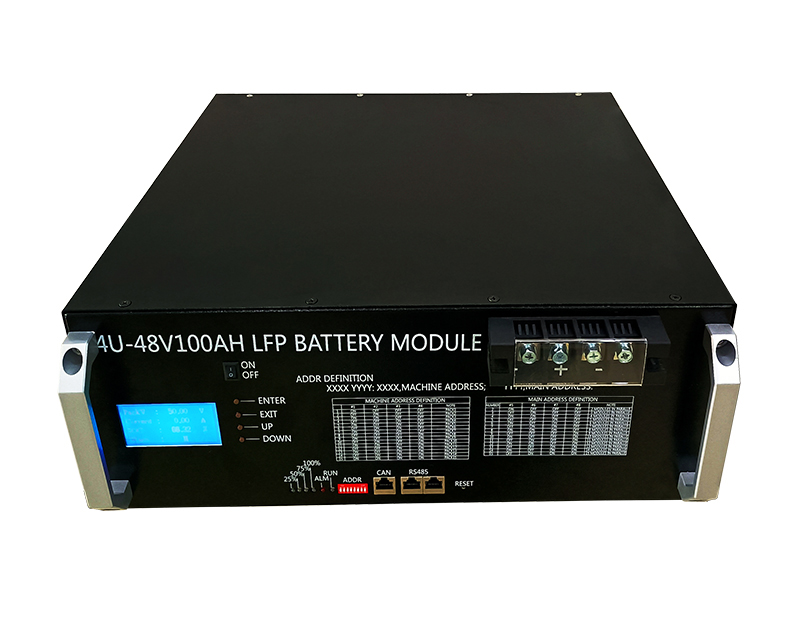
Agree what the capacity number is intended to prove
An incoming acceptance test, a development characterization and an equipment runtime trial answer different questions. Acceptance asks whether a delivered item meets an agreed controlled requirement. Characterization explores behavior across conditions. A mission trial asks whether the equipment completes a task. Decide which decision the result will support before choosing a procedure or comparing supplier reports.
A capacity label needs its rating conditions. Victron's Lithium Smart technical table, for example, identifies capacity at a stated temperature and supplies different temperature-dependent figures. That is evidence that the conditions belong beside the number, not evidence that the same reductions apply to another manufacturer's pack. Ask the supplier for the governing model specification and distinguish minimum guaranteed values from typical or nominal reference values.
Freeze preparation and discharge conditions together
The starting charge procedure determines what is available at the beginning of the discharge. Specify the approved charger or charge profile, completion rule, any rest period and the way temperature is established. A charger indication by itself may not provide enough information to reproduce preparation on another bench. Do not introduce conditioning cycles unless they are part of the agreed procedure.
Then identify the discharge behavior. A constant-current reference test is different from a constant-power load or a repeating equipment profile. Keysight's discharge-capacity guidance describes controlled loading with voltage monitoring and a specified cutoff. A qualified test plan should retain those conditions and use the approved product limits; this article is not a procedure for discharging an unfamiliar pack to an improvised endpoint.
| Field | What must be fixed |
|---|---|
| Preparation | Approved charge profile, completion and rest |
| Environment | Battery temperature, stabilization and measurement location |
| Discharge demand | Mode, rate, profile and permitted tolerance |
| Endpoint | Voltage or other stopping rule and measurement boundary |
| Acceptance value | Minimum Ah, Wh or mission outcome and applicable conditions |
| Measurement and retest | Instrumentation, uncertainty treatment and agreed retest decision |
Use amp-hours and watt-hours for the questions they answer
Amp-hours quantify delivered electric charge. Watt-hours quantify delivered energy and therefore include the changing terminal voltage. Two results can be close in amp-hours yet differ in energy if their voltage profiles differ. Multiplying every measured amp-hour by a nominal voltage produces an estimate; integrating measured voltage and current over time provides the delivered-energy result at the selected boundary.
As an original arithmetic example, a hypothetical 10 A discharge lasting 9.6 hours delivers 96 Ah. If the time-integrated energy record is 1,200 Wh, that is the energy result for that test. The pair implies an average discharge voltage of 12.5 V. These invented planning values illustrate the relationship only; they are not a test of a Jetray 100 Ah model or a proposed pass threshold.
A regulated host may require energy until its own minimum input voltage, while a reference capacity specification may use a different approved endpoint. Retain both results under their own labels if both are required. Do not extend a test below the permitted limit to make its amp-hour total match a label.
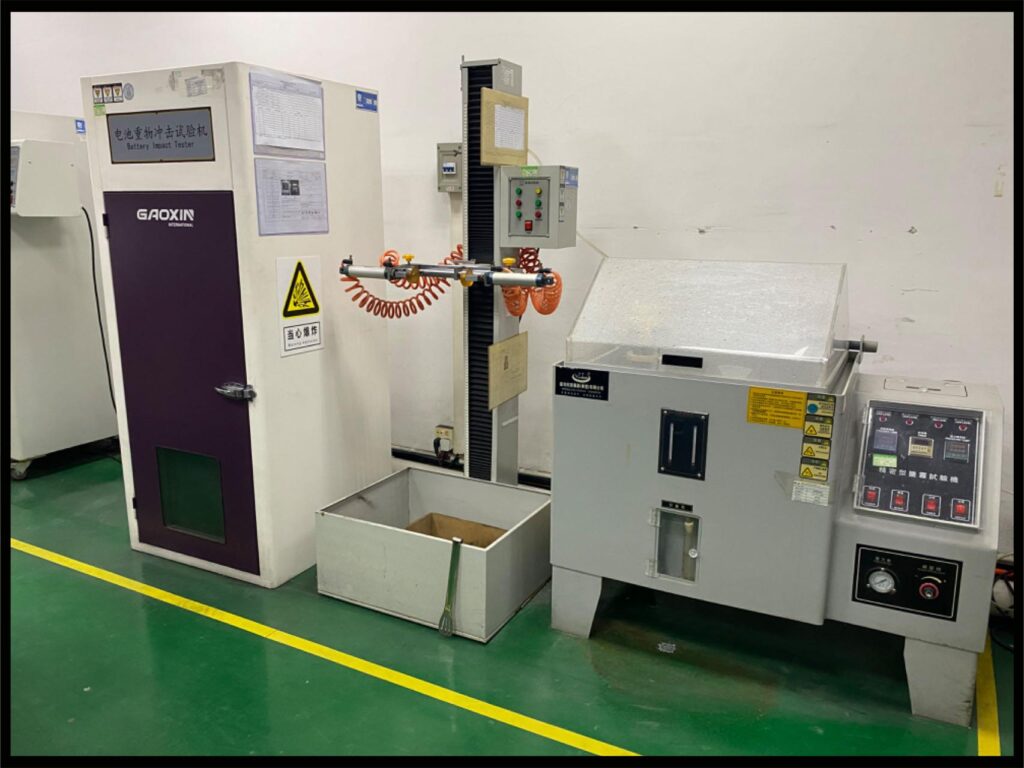
Record why the discharge stopped
A test can end because the defined external cutoff is reached, the load reaches an operating limit, the pack interrupts output, or an environmental or equipment safeguard acts. Those endpoints are not interchangeable. Record pack voltage, current, temperature and available status near the event so a reviewer can distinguish the intended endpoint from an interrupted test.
Measurement location matters too. A voltage measured at the electronic load includes the effect of intervening wiring, while a pack-terminal measurement describes a different boundary. The test owner should document the sensing arrangement and consider calibration, timing, resolution and uncertainty. Reporting additional decimal places does not remove a systematic measurement error or make two different procedures equivalent.
Keep raw traces and sample identities with the calculated totals. A final spreadsheet cell without the underlying time record makes later comparison difficult, particularly when a firmware change or protection event alters the endpoint.
Set an adjudication rule before a borderline result appears
Agree how a result near the acceptance boundary will be handled. The rule should address measurement uncertainty, invalid runs, permitted repeat tests and responsibility for reviewing deviations. It should not permit repeated cycling until a desired answer appears. If supplier and buyer procedures differ, reconcile the method before treating the disagreement as a product defect.
Sampling also needs a separate commercial decision. A development sample result does not establish every delivered unit's conformity, and an incoming sampling plan does not prove long-term cycle life. Define which checks apply to qualification, routine release and dispute investigation. Preserve revision and lot traceability so a valid result can be associated with the correct supply configuration.
The linked Jetray products can anchor a model-specific discussion. Request the current rating conditions, approved preparation and acceptance limits rather than attaching a generic LiFePO4 test copied from another product family.
- Identify whether the decision concerns conformity, characterization or mission performance.
- Approve preparation, environment, load and endpoint as one procedure.
- Record Ah, Wh and stopping reason with the actual raw data.
- Apply the agreed uncertainty and retest rule before making a purchasing decision.
Capacity acceptance questions
Does a typical capacity establish the acceptance minimum?
Not by itself. The controlled specification must state which value governs conformity and under which conditions. Ask the supplier to distinguish typical, nominal and minimum values explicitly.
Can a short runtime trial replace a reference capacity test?
It can demonstrate the defined task under its tested conditions, but it does not automatically measure reference capacity. Keep the two acceptance questions separate and identify exactly which evidence each result supplies.
Sources & further reading
- Keysight: How to Test Battery Discharge Capacity ↗
- Victron: Lithium Smart technical data and rating conditions ↗
- Jetray: LiFePO4 battery pack catalog ↗
- Jetray: corporate factory photograph source ↗
AI-assisted editorial content fact-checked against linked primary sources. Numerical values are hypothetical arithmetic examples, not a capacity test result, acceptance threshold or individual engineer review. Model-specific limits and qualified test procedures govern real work.
Prepared for the lifepo4 battery packs collection. General engineering guidance does not replace a model-specific datasheet or application validation. Source review: 5 November 2026.